
Exploring the 12 Principles of Animation
The Illusion of Life: Disney Animation by Frank Thomas and Ollie Johnston introduces the 12 principles of animation—guidelines that help bring characters to life.
Let’s look at each one.
1. Squash and Stretch
Squash and stretch is one of the most important animation principles. It means changing a character’s shape, squashing it or stretching it, to show movement, weight, and flexibility. This helps make motion feel more real and believable.
2. Anticipation
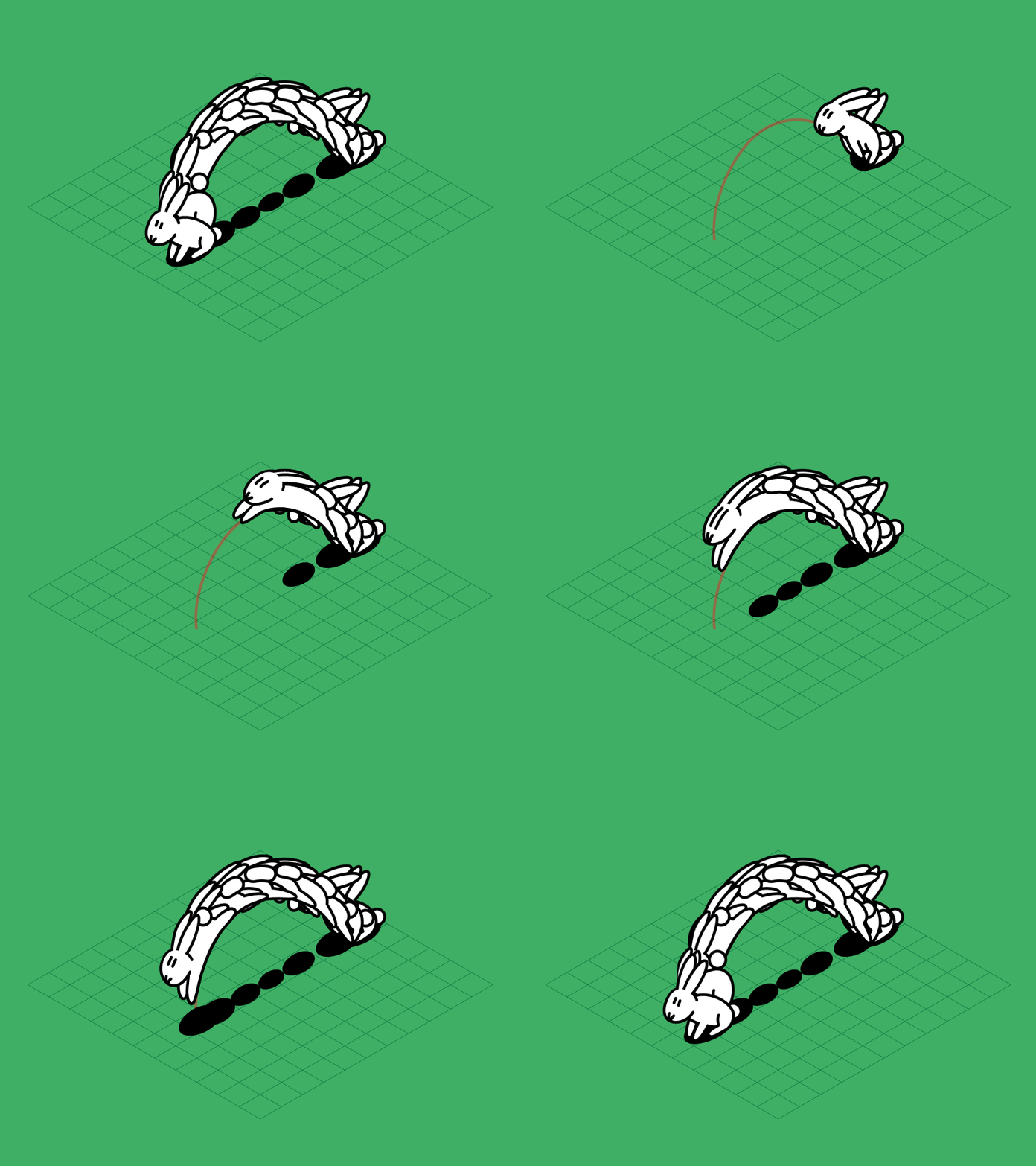
Anticipation is a small movement that happens before a bigger action. It prepares the viewer for what’s about to happen—like pulling your arm back before throwing a ball. This helps guide attention and makes the action feel more natural and engaging.

3. Staging
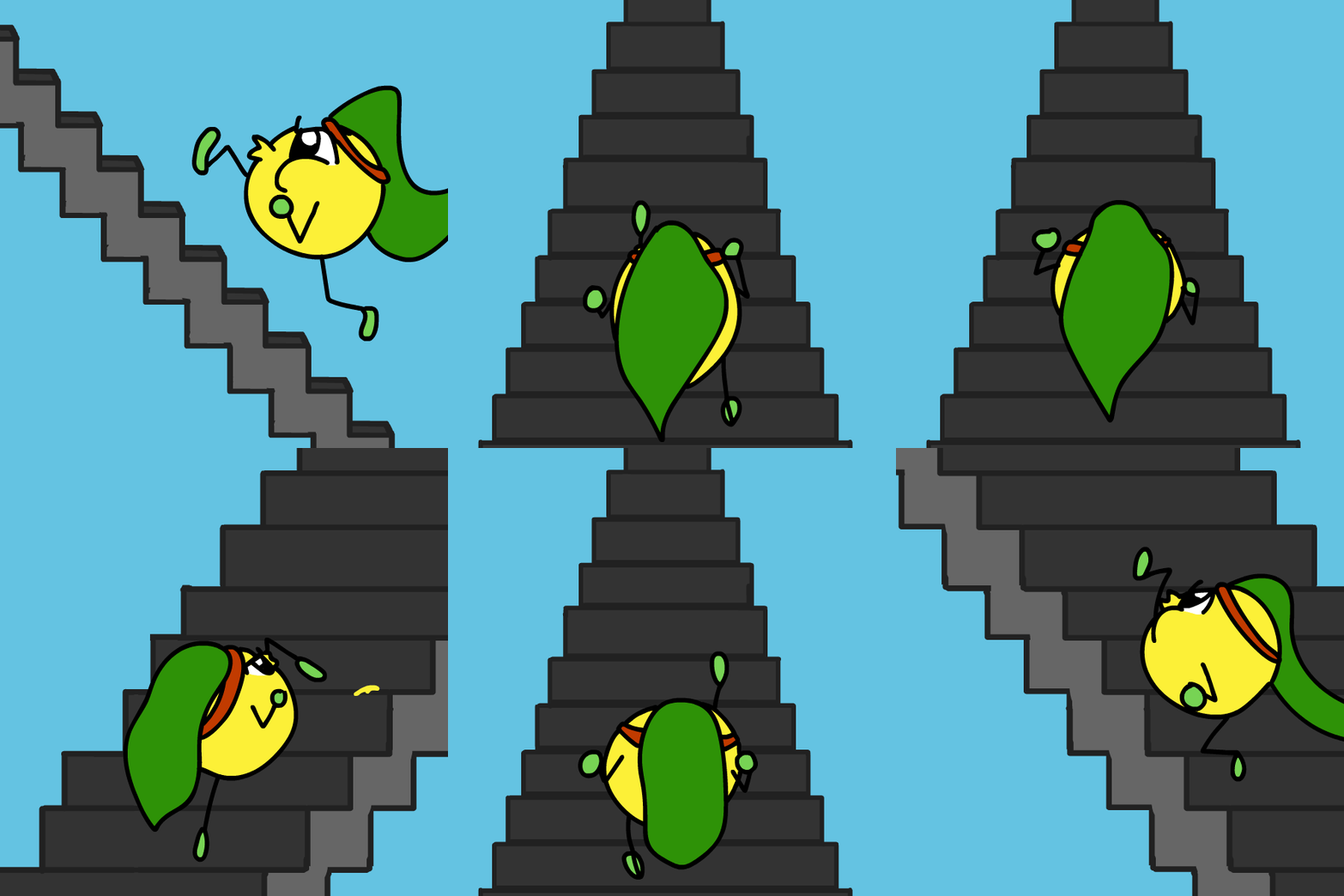
Staging is how you arrange a scene so the viewer clearly understands what’s happening. This includes composition, lighting, and camera angles. Good staging directs the viewer’s attention to the most important part of the action.
4. Straight Ahead Action and Pose to Pose
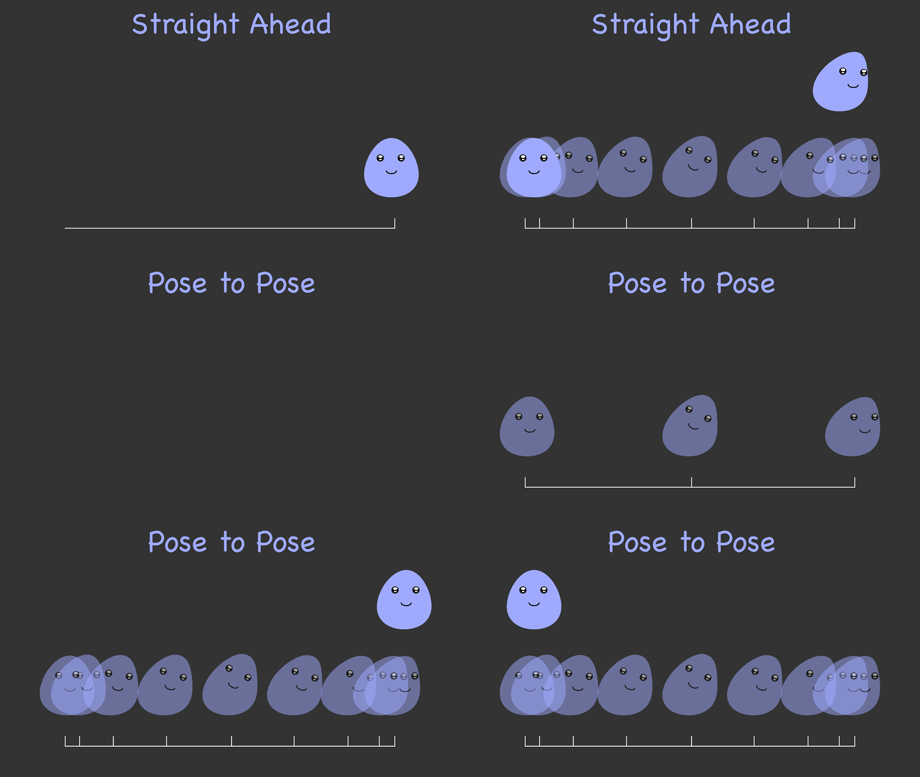
These are two different ways to animate.
Straight ahead: you draw each frame in order, from start to finish. This can feel more natural and fluid.
Pose to pose: you draw the main key poses first, then fill in the in-between frames. This helps with planning and structure.
Animators use both methods depending on the project.
5. Follow Through and Overlapping Action
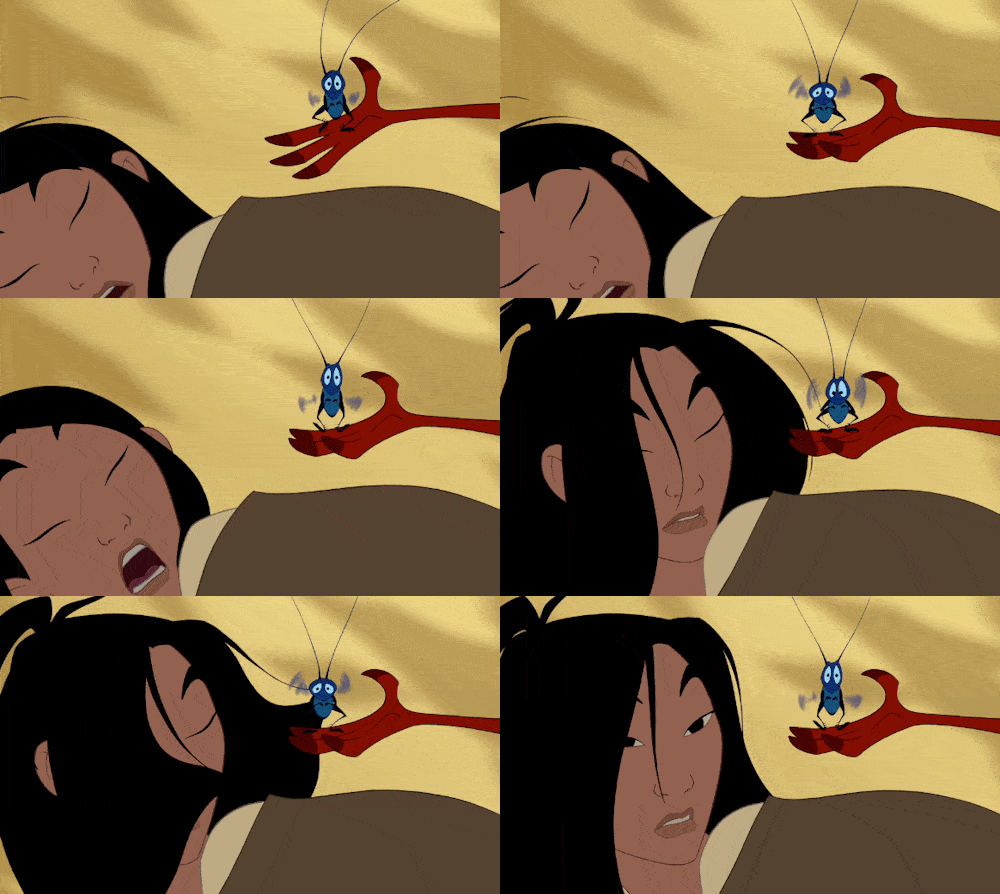
This principle shows how different parts of a character move at different times. When a character stops, things like hair or clothing keep moving for a moment. This adds realism and makes movement feel more natural.
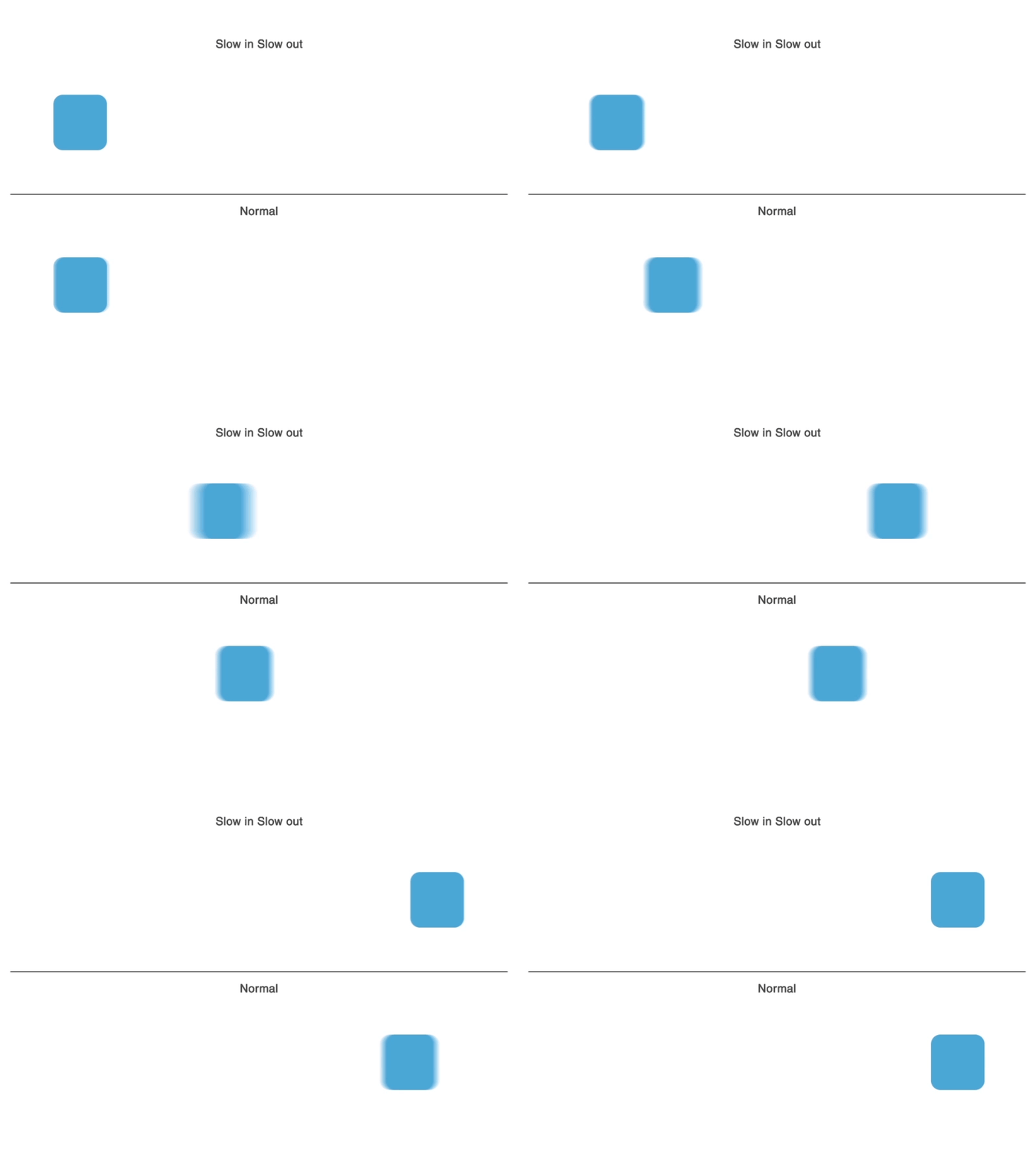
6. Slow In and Slow Out
Objects don’t start or stop instantly—they speed up and slow down. In animation, this means adding more frames at the beginning and end of a movement. This helps show weight and makes motion feel smooth and realistic.
7. Arcs

Most natural movement follows a curved path, not a straight line. Using arcs makes animation feel smoother and more realistic.
8. Secondary Action
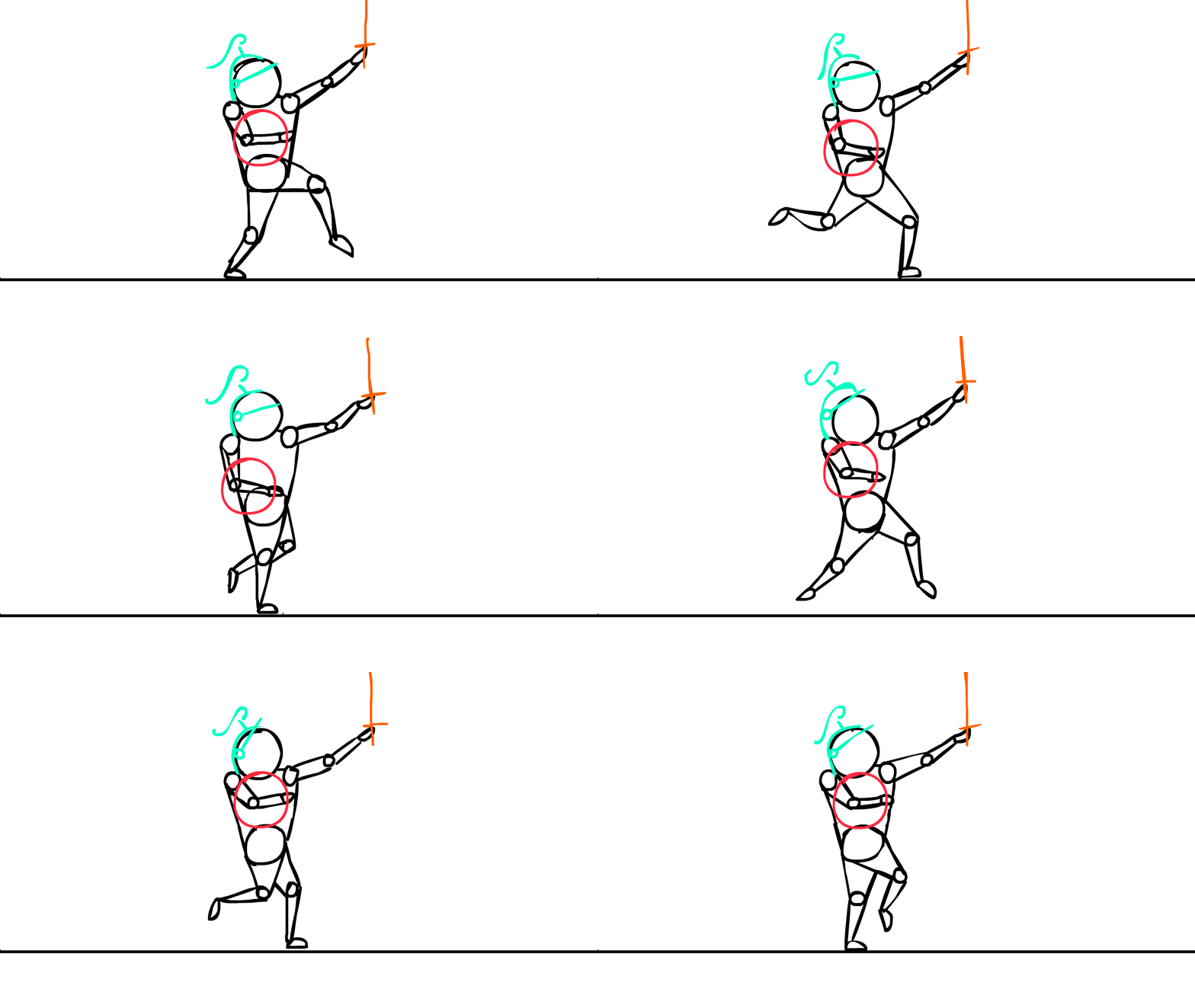
Secondary actions are smaller movements that support the main action. For example, when a character talks, their hands or body might move too. This adds depth and makes the animation more interesting.
9. Timing
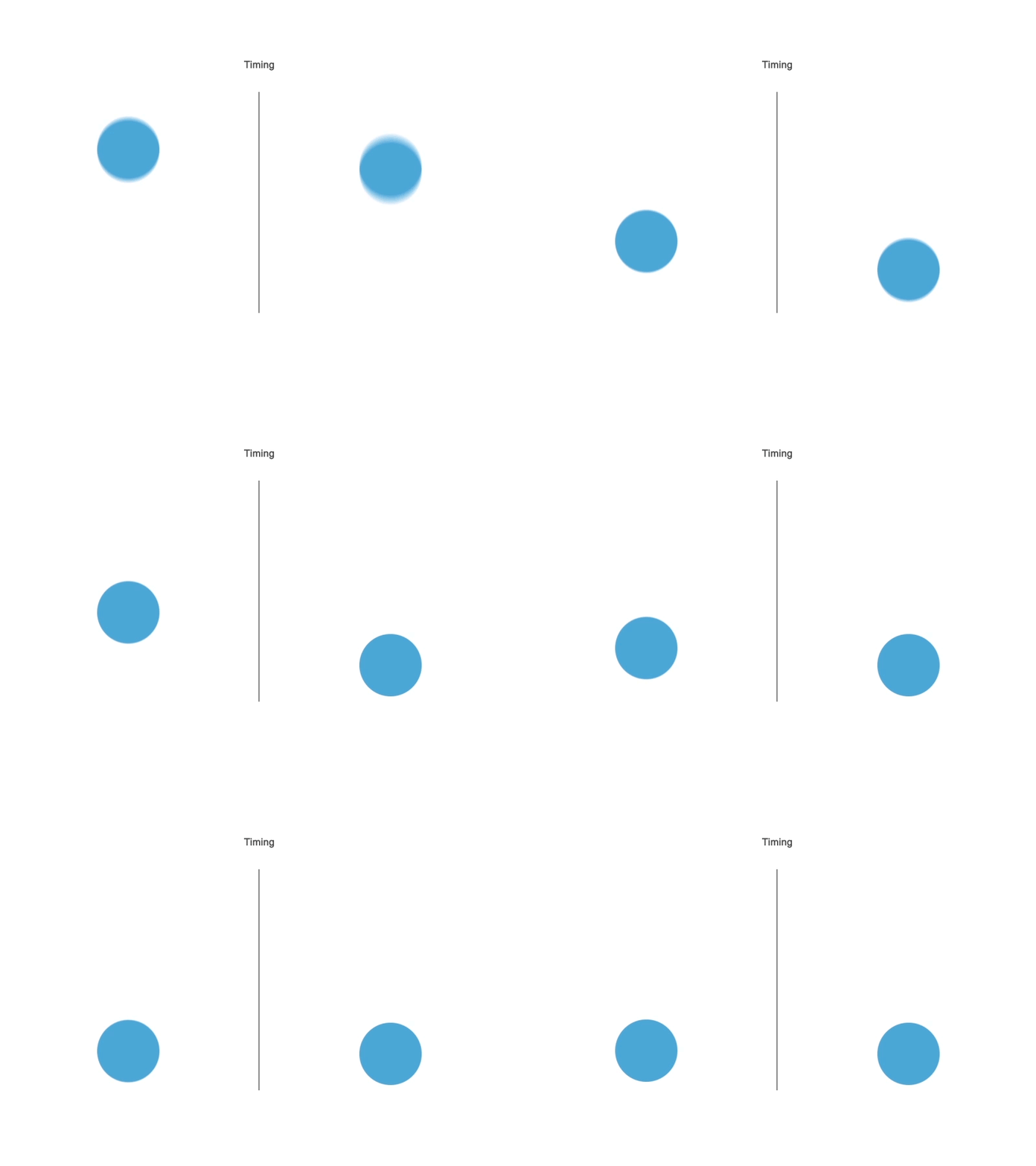
Timing controls how fast or slow something happens. It affects the mood, weight, and realism of movement. Good timing helps actions feel natural and match things like music or emotion.
10. Exaggeration
Exaggeration means pushing movements or expressions further than real life. This helps make actions clearer, more dramatic, and more engaging to watch.
11. Solid Drawing
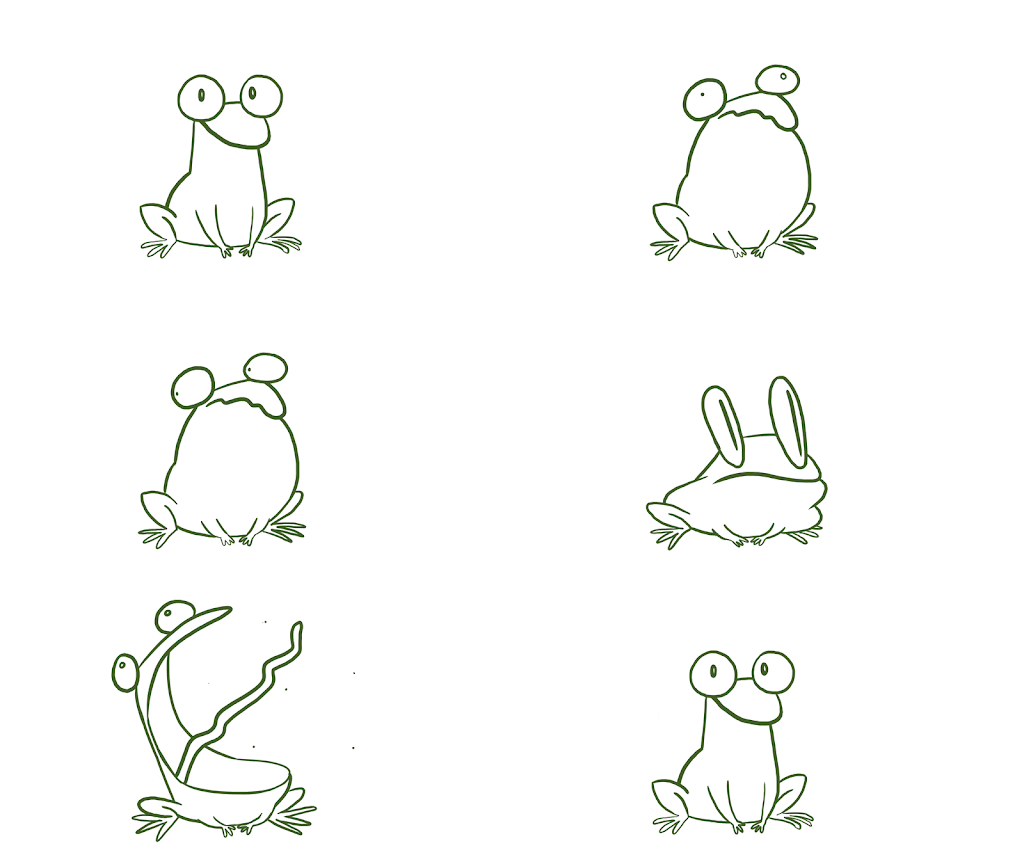
Solid drawing means understanding how to draw characters with proper form, weight, and balance. Even in animation, characters should feel like they exist in real space.
12. Appeal
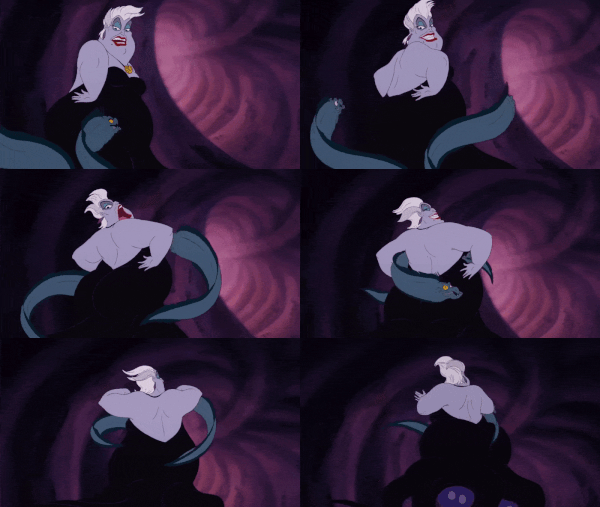
Appeal is what makes a character interesting and enjoyable to watch. This comes from good design, clear personality, and expressive movement that connects with the audience.

Some of this content was sourced from: https://www.nyfa.edu/student-resources/12-principles-of-animation/